Planting Tips: What to Plant After Tree Removal

January 10, 2024

The Ultimate Guide: What to Plant After Tree Removal 

What to plant after tree removal

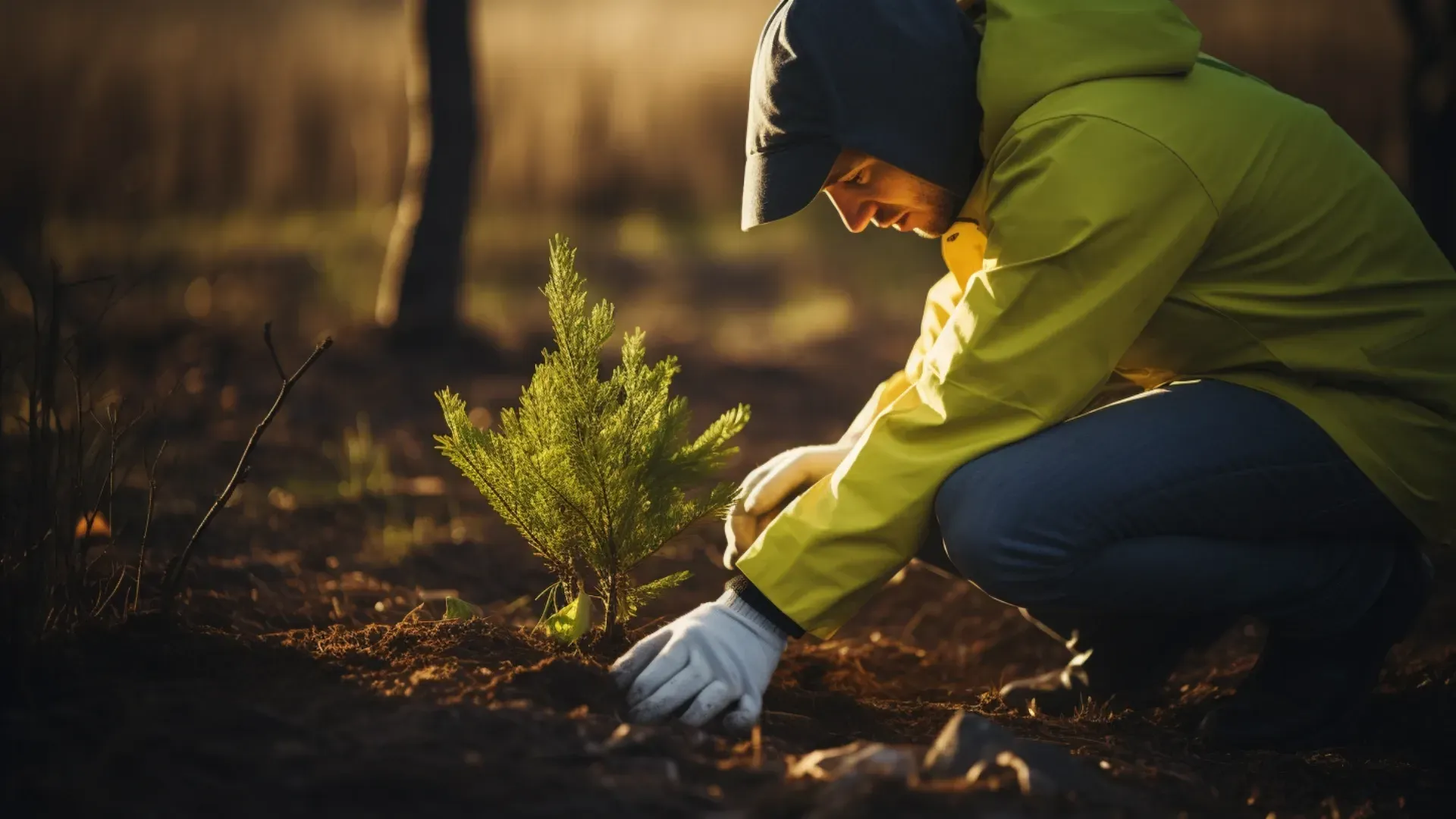
What to plant after tree removal involves considering factors like soil type, climate, and available space. Choosing suitable replacements, such as native plants or trees compatible with the area's conditions, guarantees successful growth. In addition, planting smaller-sized trees or shrubs prevents overcrowding and helps healthy growth. Evaluating the landscape's needs and consulting local nurseries or arborists for guidance further enhances the performance of post-tree removal planting. Remember, selection and decisive planting are key to restoring the landscape's aesthetics and ecological balance after tree removal.

Understanding the Post-Tree Removal Landscape

post-tree removal landscape

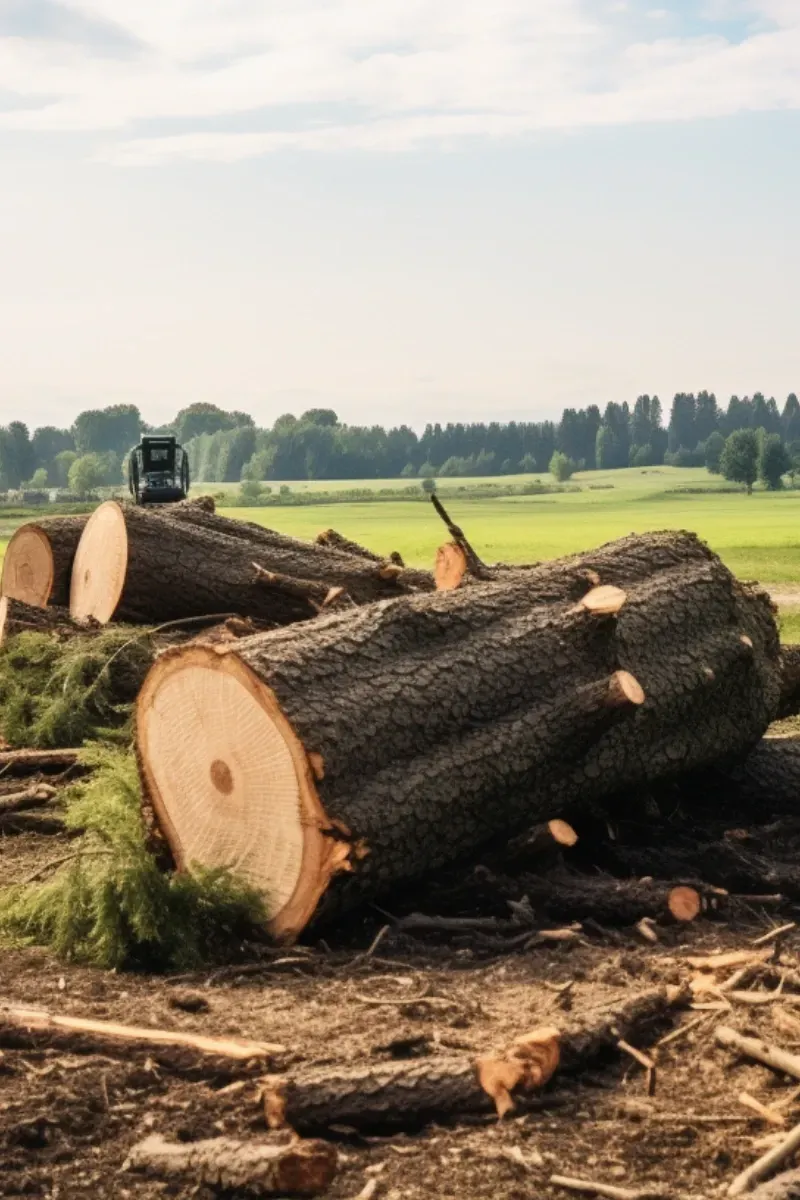
Understanding the post-tree removal landscape requires assessment. Strategic planning for new plantings or features restores visual attractiveness and ecological balance. Choosing compatible plants aids regrowth. Filling the space helps the environment adjust smoothly after removing the trees, keeping everything in balance.


Impact of Tree Removal on Landscape

Removing a tree has far-reaching effects beyond changing how things look. It deeply changes the environment, affecting the soil composition, light exposure, and the ecosystem balance of surrounding vegetation.

Effects on Soil, Light, and Surrounding Vegetation
Taking out a tree upsets the balance in the area. The soil changes in nutrients and structure, and the way light reaches the area shifts, too. These alterations affect how nearby plants and organisms grow and stay healthy, highlighting the need for a cautious approach when replanting.

Importance of Assessing Post-Removal Conditions for Replanting
Before initiating replanting efforts, assessing the land after removing the tree is crucial. Knowing how the soil and light have changed is the key. This evaluation helps decide which plants will work best and where, ensuring a successful and healthy return of vegetation.

Factors Influencing Plant Selection

Plant Selection

Factors that influence plant selection include several conditions. Compatibility with the environment and available space is critical. Understanding these factors aids in choosing suitable plants. Native plants or those adaptable to the area thrive best. Evaluating these elements guides optimal plant selection for a healthy and flourishing landscape.


Soil Conditions and Type

The soil's characteristics are important in determining plant success post-tree removal.

Understanding Soil Quality and Its Impact on Plant Growth
When the soil changes, it affects how plants grow. Things like nutrients, pH (how acidic or basic the soil is), and texture can make a big difference in how healthy plants are. It's necessary to check these things to pick plants that can handle the new soil.

Selecting Plants Suitable for Specific Soil Types
Tailoring plant choices to suit soil types ensures better adaptation and growth. Plants thriving in the soil's specific drainage and texture contribute to a healthier, resilient landscape.

Light Exposure and Microclimates

Variations in light patterns post-tree removal significantly influence plant selection.

Considering Sunlight and Shade Variations for Plant Selection
Adapting plant choices to new light patterns is vital for sustained growth. Understanding the duration, intensity, and variations in sunlight or shade aids in selecting plants suitable for specific light conditions.

Adapting Plant Choices to Microclimates within the Landscape
Recognizing microclimates' impact on plant health helps in primary plant selection. Different areas within the landscape may have distinct climates, requiring careful plant choices to enhance their resilience.

Environmental Considerations

Environmental factors are crucial determinants in post-tree removal plant selection.

Addressing Local Climate and Weather Conditions
Opting for plants well-adapted to the local climate secures their ability to thrive. Considering typical weather patterns and seasonal changes aids in selecting resilient types suited to the region.

Considering Drought Resistance or Tolerance to Extreme Weather
Integrating plants resistant to drought or capable of tolerating extreme weather conditions ensures sustainable growth. Selecting types resilient to harsh environmental factors contributes to a strong landscape.

Plant Options and Considerations

Planting Options

Selecting suitable trees after removal is important for restoring the landscape. Evaluating growth potential, root systems, and seasonal changes aids informed choices. Different growth rates offer varied benefits; fast growers cover quickly but demand more maintenance, while slow growers ensure enduring stability. Shrubs contribute to aesthetics and functionality, offering visual interest and ecosystem support. Their selection, considering factors like flowering seasons and adaptability, bolsters the landscape's resilience after tree removal.


Trees for Replacement

Choosing the suitable trees post-removal is critical for landscape restoration.

Selecting Suitable Tree Variety

Evaluating growth potential and purpose is essential for making informed tree choices. Considering factors like size, root system, and seasonal changes guides appropriate tree selection, ensuring a harmonious and functional landscape.

Fast-Growing vs. Slow-Growing Trees

Understanding the benefits of different growth rates aids in landscape planning. Fast-growing trees offer quick coverage but might require more maintenance, while slow-growing trees provide lasting structural stability.


Shrubs and Bushes

Utilizing shrubs contributes significantly to the post-removal landscape's aesthetics and functionality.

Utilizing Shrubs for Landscaping

Shrubs serve aesthetic and functional purposes, providing visual interest, creating boundaries, and contributing to the ecosystem's health by offering habitats for birds and insects.

Factors Influencing Selection

Qualities such as flowering seasons, evergreen characteristics, and adaptability to varying soil and light conditions impact shrub selection. Choosing shrubs based on their ability to thrive post-tree removal enhances the landscape's resilience.


Perennials and Ground Covers

Incorporating perennials adds diversity and sustainability to the landscape.

Incorporating Perennials for Ground Cover

Perennials offer long-term coverage while adding aesthetic value to the landscape. Their ability to thrive year after year makes them an excellent choice for maintaining soil health and preventing erosion.

Benefits of Using Ground Covers

Ground covers are important in erosion control by stabilizing soil and minimizing runoff. Additionally, they contribute to soil health by enhancing moisture retention and preventing weed growth, promoting a healthy ecosystem.


Vegetation for Specific Purposes

Planting with specific goals in mind adds functionality to the ecosystem.

Wildlife Attraction or Ecological Restoration

Selecting plants that restore ecosystems or attract wildlife contributes to biodiversity. Choosing natural plants supporting local wildlife enhances the ecological balance and fosters a thriving environment.

Utilizing Edible Plants or Herbs

Incorporating functional plants adds utility to the landscape. Edible plants or herbs offer practical benefits and contribute to a multi-purpose landscape, providing food resources and adding diversity to the ecosystem.


Planning and Implementing Replanting

Implementing Planting

Strategic plant placement is the key to a balanced landscape design. Arranging plants optimizes functionality and style. Considering growth patterns and class interaction enhances the ecosystem. Diverse plant selections, including trees, shrubs, and ground covers, promote biodiversity and soil health. Caring for newly planted vegetation involves routines like watering, mulching, and pruning for successful establishment. Ongoing maintenance, including monitoring, weed control, and fertilization, sustains the replanted landscape's health and vitality


Landscape Design and Layout

Carefully positioning plants is necessary for a balanced and functional landscape.

Strategizing Plant Placement

The arrangement of plants enhances the aesthetics and optimizes functionality. Factors like elegance, growth patterns, and interaction between plant classes contribute to a visually pleasing and ecologically sound landscape.

Creating a Balanced Landscape

Diversity in plant selection is the cornerstone of a harmonious ecosystem. Incorporating a variety of plants—trees, shrubs, perennials, and ground covers—supports biodiversity, promotes soil health, and fosters resilience against environmental stressors.


Maintenance and Care

Caring for newly planted vegetation is fundamental for their establishment and sustained growth.

Establishing Care Routines

Implementing proper care routines, including watering, mulching, and periodic pruning, aids in successfully establishing newly planted vegetation. Providing adequate support during the initial growth stages is essential for their long-term health.

Importance of Ongoing Maintenance

Consistent maintenance practices are vital for healthy growth post-planting. Regular monitoring, weed control, fertilization, and pest management contribute to the overall health and vitality of the replanted landscape, ensuring its long-term success.

Nature's Rebirth: What to Plant After Tree Removal

What to plant after tree removal? Restoring the landscape post-tree removal is more than an aesthetic endeavor; it's an ecological commitment. Replanting efforts rejuvenate the style and reinstate the balance within the ecosystem. The significance lies in recreating a habitat that supports diverse flora and fauna and sustains the ecological functions the trees once provided.

Encouragement for Consistent Replanting

The journey of replanting after tree removal should be purposeful and conscientious. It's an opportunity to curate a landscape that thrives sustainably. Embracing environmentally conscious replanting choices aligns with preserving biodiversity and ecological stability. Each plant introduced plays a part in sustaining local ecosystems, contributing to cleaner air, better soil health, and a more vibrant environment. Replanting isn't just about today—it's an investment in the future, creating a balance between nature and where we live.

To learn more about our services, feel free to explore our blog named "
The Ultimate Guide to Professional Tree Removal Services"

By Elayna Smith December 16, 2025
Trees are the silent, steadfast giants of our landscapes. They provide shade, beauty, and a sense of permanence to our properties. But while they may seem self-sufficient, trees are living organisms susceptible to stress, disease, and pests. Unfortunately, they can't speak up when something is wrong. By the time obvious signs of major damage appear—like large dead limbs or a sudden lean—the underlying problem may have been festering for years, making recovery difficult and expensive.  The key to a long, healthy life for your trees is proactive observation. Learning to read the subtle signals your trees send can help you catch issues early, preventing minor problems from escalating into hazardous and costly situations. Here at Perfection Tree Specialist , we believe that an educated homeowner is a tree's best friend. This comprehensive guide will teach you how to perform a head-to-toe health check on your trees, empowering you to spot problems before significant damage occurs.
By Elayna Smith December 9, 2025
The trees on your property are more than just part of the scenery; they are living assets that enhance your home's value, provide shade, and contribute to the local ecosystem. But like any valuable asset, they require proper care to thrive. One of the most critical, yet often misunderstood, aspects of tree maintenance is pruning. While it might seem like a simple task of cutting a few branches, professional pruning is a science and an art. It's a strategic process that directly impacts a tree's health, safety, and beauty. In this comprehensive guide, we'll explore why expert pruning is an essential investment for a healthier, safer, and more vibrant landscape. 
By Dhap Gancia December 9, 2025
After a tree has been removed, the lingering stump can be an unsightly blemish on an otherwise beautiful landscape. Homeowners in Whittier and Downey, California, are often faced with a choice: stump grinding or complete stump removal. While both options eliminate the stump, one method stands out as the superior choice for efficiency, cost-effectiveness, and minimal landscape disruption. Here at Perfection Tree Specialist, we believe in providing our clients with the best solutions, and when it comes to stumps, grinding is almost always the better option.
By Elayna Smith December 3, 2025
That charming, evergreen ivy climbing your trees might look picturesque, like something from a classic novel. But don't be fooled by its romantic appearance. In many cases, that beautiful vine is an invasive guest that can cause significant harm to your trees, turning a beautiful feature into a serious liability. Here at Perfection Tree Specialist, we've seen firsthand how quickly uncontrolled ivy can damage and even kill healthy trees. Understanding the risks and knowing the signs for professional ivy removal is a crucial part of responsible tree care.
By Elayna Smith December 2, 2025
A pristine yard is a source of pride for any homeowner. But nature has its own plans, and after a storm, a windy day, or the changing of seasons, your beautiful landscape can quickly become an obstacle course of fallen branches, a blanket of dead leaves, and a collection of miscellaneous debris. Yard cleanup can feel like a daunting, never-ending chore. Where do you even begin? Fear not. With the right strategy, the right tools, and a little bit of know-how, you can transform this monumental task into a manageable, even satisfying, process. Here at Perfection Tree Specialist , we've seen it all, and we've built our expertise on restoring order and beauty to landscapes. This comprehensive guide will walk you through everything you need to know for an effortless yard cleanup, turning chaos back into curb appeal.
By Elayna Smith November 26, 2025
Trees are a beautiful and valuable asset to any property in Whittier, CA. They provide shade, improve air quality, and can even increase your home's value. But what happens when a beloved tree becomes a liability? A hazardous tree can pose a significant risk to your home, family, and neighbors. Recognizing the warning signs is crucial to preventing disaster. This guide will help you identify when it's time to call in the professionals for tree removal.
By Elayna Smith November 25, 2025
There’s a certain satisfaction that comes with a weekend of do-it-yourself projects. Building a deck, painting a room, or landscaping the garden can be rewarding, saving you money while giving you a sense of accomplishment. It’s tempting to look at a troublesome tree branch or a small, leaning tree and think, "How hard can it be?" But when it comes to tree care, the line between a satisfying DIY project and a life-altering disaster is perilously thin. Here at Perfection Tree Specialist , we've seen firsthand the consequences of well-intentioned but ill-equipped attempts at arboriculture. This guide explores the very real, often hidden, risks of handling tree care yourself, from severe personal injuries to catastrophic property damage. 
By Sales LFL November 21, 2025
So, you’ve had a tree removed. The branches are gone, the trunk has been hauled away, and your yard is looking more open. But what about that stubborn stump left behind? It might seem harmless, just a rustic reminder of the tree that once stood. However, leaving a stump in your yard can lead to a host of problems that are more than just an eyesore. Here at Perfection Tree Specialist, we’ve seen firsthand the issues these remnants can cause. Before you decide to let it be, consider these five compelling reasons to get that stump removed for good.
By Elayna Smith November 18, 2025
A well-maintained yard does more than just look good; it enhances your home's curb appeal and can even increase its value. Whether it's the vibrant colors of spring after a long winter or the crisp, clean look of autumn, a seasonal yard clean up is essential. This guide will walk you through the transformative power of a thorough yard clean up, with a special focus on the importance of trimming trees.
By Elayna Smith November 18, 2025
Trees are the silent, steadfast guardians of our landscapes. They provide shade, improve air quality, and add immense aesthetic value to our properties. But like any living thing, they require care, attention, and sometimes, urgent intervention. Managing the complete lifecycle of a tree, from its youthful growth to its eventual, safe removal, requires a deep level of expertise. This is where a full-service tree care provider becomes not just a convenience, but a necessity. At Perfection Tree Specialist , we embody this comprehensive approach, offering a spectrum of services that cover every possible need your trees may have. This guide will walk you through the entire journey of professional tree care, illustrating why a holistic, full-service approach is the best investment for the health, safety, and beauty of your property.