From Injuries to Property Damage: The Real Risks of Handling Tree Care Yourself
There’s a certain satisfaction that comes with a weekend of do-it-yourself projects. Building a deck, painting a room, or landscaping the garden can be rewarding, saving you money while giving you a sense of accomplishment. It’s tempting to look at a troublesome tree branch or a small, leaning tree and think, "How hard can it be?" But when it comes to tree care, the line between a satisfying DIY project and a life-altering disaster is perilously thin. Here at Perfection Tree Specialist, we've seen firsthand the consequences of well-intentioned but ill-equipped attempts at arboriculture. This guide explores the very real, often hidden, risks of handling tree care yourself, from severe personal injuries to catastrophic property damage.
The Deceptive Allure of DIY Tree Care
Before we delve into the dangers, it's important to understand why homeowners are tempted to take on tree work themselves. The primary motivator is almost always cost. A professional tree removal or pruning service is an investment, and the idea of saving several hundred or even thousands of dollars by firing up your own chainsaw is undeniably appealing. Coupled with a can-do attitude and a plethora of online video tutorials, the task can seem deceptively straightforward. However, what these videos often fail to convey is the immense weight, unpredictable physics, and specialized knowledge required to perform the job safely and effectively. The perceived savings can evaporate in an instant, replaced by costs that dwarf the original professional quote.
The Ultimate Price: Severe Personal Injury
The most significant and irreversible risk of DIY tree work is harm to yourself or others. Trees are heavy, unwieldy, and operate under the powerful and unforgiving laws of physics. Arborists undergo extensive training and use specialized equipment for a reason. Here are the most common ways DIY tree care leads to the emergency room.
The Danger of Gravity: Falls from Heights
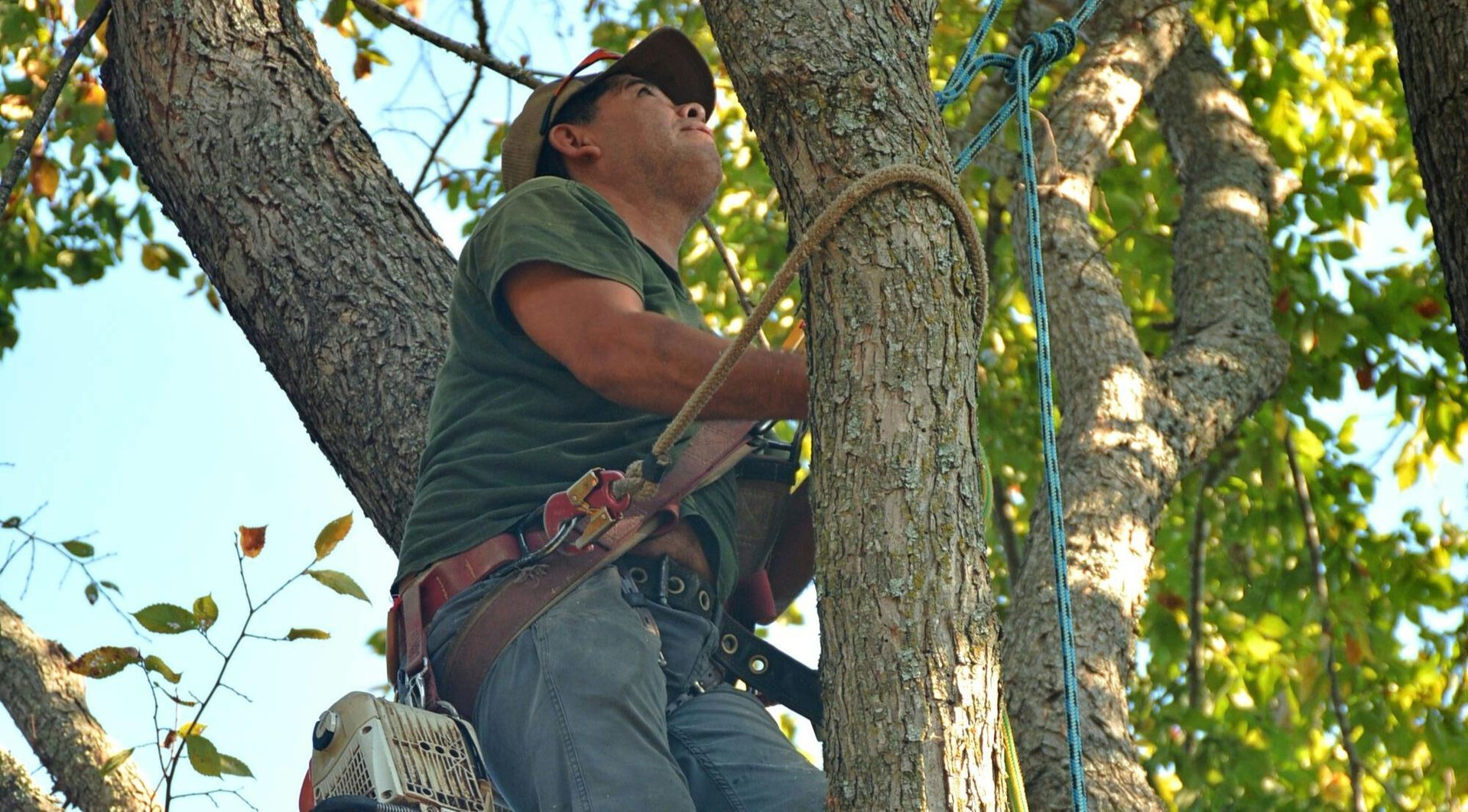
A wobbly extension ladder is no substitute for a professional arborist's climbing gear or an aerial lift. Falls are one of the leading causes of injury in DIY yard work. A fall from even 10-15 feet can result in broken bones, spinal cord injuries, or traumatic brain injury. Unlike a solid roof, a tree's branches can be rotten, brittle, or shift unexpectedly, making them an unstable platform for work.
The Power Tool Problem: Chainsaws and Lacerations
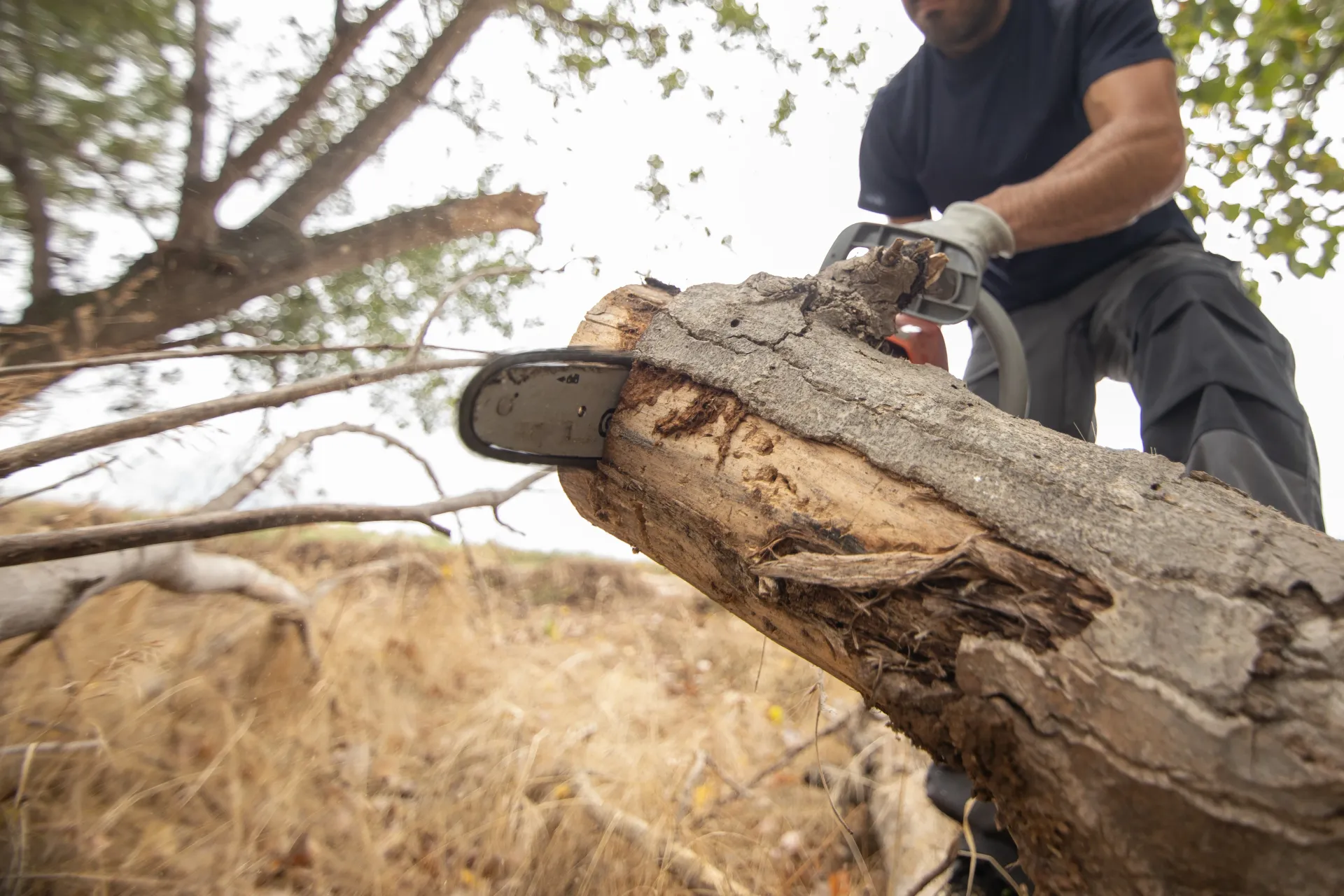
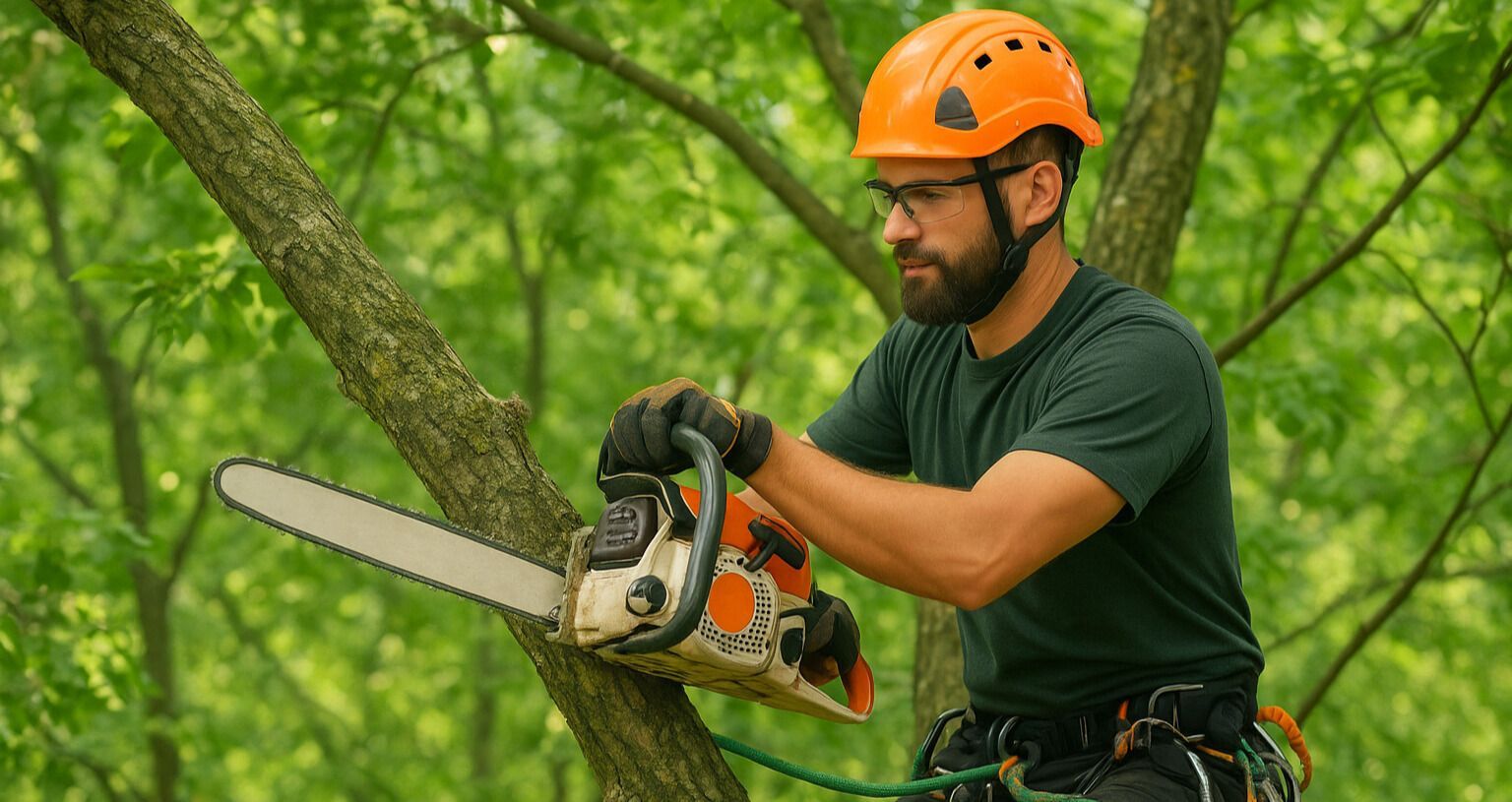
Chainsaws are incredibly efficient tools, but in inexperienced hands, they are exceptionally dangerous. According to the Centers for Disease Control and Prevention (CDC), around 36,000 people are treated for chainsaw-related injuries in U.S. emergency departments each year. A common cause is "kickback," a phenomenon where the tip of the chainsaw bar strikes a solid object and violently kicks the saw back toward the operator. Without proper training and safety gear like chaps, gloves, and a helmet, a simple cut can turn into a severe, life-threatening laceration in a split second.
The Unseen Threat: Electrocution from Power Lines
Many residential properties have power lines running through or near their trees. It is incredibly difficult for an untrained eye to judge the distance between a branch and a live wire. Electricity can arc, or jump, from a power line to a metal ladder, a pruning tool, or even a damp branch, causing severe electrocution. This is a risk with zero margin for error and one of the most compelling reasons to always call a professional for trees near utility lines.
Struck-By Hazards: When Physics Fights Back
Even a small branch can weigh hundreds of pounds. When you cut a limb, you are releasing immense potential energy. Misjudging the direction of its fall can lead to it striking you, a family member, or a pet below. The entire tree itself, if being removed, can twist, split, or fall in an entirely unexpected direction, crushing anything—or anyone—in its path.
Beyond Your Body: Catastrophic Property Damage
If you escape personal injury, your property may not be so lucky. The financial fallout from a DIY tree care mistake can be devastating, often costing many times more than a professional service would have.
A Hole in Your Roof and Your Wallet
Your home is the most common casualty. A falling limb can easily puncture a roof, shatter windows, or crush a deck. A miscalculated tree felling can send the entire trunk crashing into your living room. These repairs are not only expensive but can also lead to secondary issues like water damage and mold if not addressed immediately.
The Neighborly Nightmare: When Your Project Crosses the Line
Your liability doesn't end at your property line. If a tree or branch you are cutting falls on a neighbor's house, car, or fence, you are responsible for the damages. This can lead to tense neighborhood disputes and significant legal and financial complications, especially if your homeowner's insurance policy doesn't cover liability from such high-risk activities.
DIY vs. Professional: A Cost Comparison
To put it in perspective, consider the potential financial outcomes:
| Scenario | DIY Approach Cost | Professional Service Cost |
|---|---|---|
| Routine Tree Pruning | Tool Rental: $100 Potential Mistake: Branch falls on roof. Actual Cost: $5,000+ (Roof Repair) | $400 - $800 (Insured & Guaranteed) |
| Small Tree Removal | Chainsaw Purchase: $250 Potential Mistake: Tree falls on neighbor's fence. Actual Cost: $3,000+ (Fence Repair & Liability) | $750 - $1,500 (Safe & Clean Removal) |
| Emergency Limb Removal | Ladder & Saw: Existing Tools Potential Mistake: Fall from ladder. Actual Cost: $10,000+ (Medical Bills & Lost Wages) | $500 - $1,200 (24/7 Response & Safety) |
The Silent Killers: Long-Term Damage to Your Trees
Not all DIY damage is immediately obvious. Improper techniques can inflict slow, silent damage that can kill your tree over months or years, or turn it into a future hazard.
Botched Pruning: A Death Sentence for Your Tree
There is a science to pruning. Making a cut in the wrong place, known as a flush cut, can prevent the tree from properly healing, creating an entry point for diseases and pests. Leaving a long stub can lead to decay that spreads into the main trunk. An arborist knows how to locate the branch collar and make the proper cut to promote healthy growth and wound closure.
Ignoring the Warning Signs of a Hazard Tree
A professional arborist is trained to see what you can't. They can identify signs of internal decay like fungi growth at the base, deep cracks in the trunk, or branches with no foliage. What might look like a healthy tree to an untrained eye could be a ticking time bomb, structurally compromised and ready to fail in the next storm. Removing it without knowing its condition is a gamble you can't afford to lose.
The Professional Advantage: Why Expertise from Perfection Tree Specialist Matters
Choosing a professional tree care company isn't just about avoiding risk; it's about gaining peace of mind and ensuring the health and longevity of your landscape. At Perfection Tree Specialist, we provide a level of service and safety that DIY simply cannot match.
- Safety First: Our crews are highly trained in the latest safety protocols. We use state-of-the-art equipment, from aerial lifts and cranes to advanced rigging systems and personal protective gear, to ensure every job is done without incident.
- Knowledge & Experience: Our team includes ISA Certified Arborists who understand the complex biology of trees. We can diagnose diseases, recommend proper care, and execute pruning and removals in a way that protects the tree and your property.
- Insurance & Peace of Mind: We are fully licensed and insured. In the unlikely event of an accident, you and your property are completely protected. This is a critical safeguard that most homeowners don't have when they undertake the work themselves.
- The Right Tools for the Job: From stump grinders to industrial wood chippers, we have the professional-grade equipment to handle any job efficiently and cleanly. We handle the entire process, including debris removal, leaving your property looking its best. Explore our full range of professional services to see how we can help.
Conclusion: Don't Let a Weekend Project Become a Lifelong Regret
The trees on your property are a beautiful and valuable asset. Caring for them properly is essential, but it is not a job for amateurs. The risks of personal injury, property damage, and legal liability are simply too high. Before you reach for that ladder and chainsaw, take a moment to weigh the true costs. The investment in a professional, insured, and experienced company like Perfection Tree Specialist is an investment in your safety, your property's value, and your peace of mind. Ready to handle your tree care needs safely and effectively? Contact the experts at Perfection Tree Specialist today for a consultation. Let us put our expertise to work for you. Visit our homepage to learn more.
Frequently Asked Questions
What should I look for when hiring a tree care company?
Look for a company with ISA (International Society of Arboriculture) Certified Arborists on staff. Always verify they have current liability insurance and workers' compensation coverage. Check for positive online reviews and ask for local references to ensure they have a good reputation for safety and quality work.
Isn't hiring a professional tree service expensive?
While there is an upfront cost, it should be viewed as an investment in safety and prevention. The cost of a professional service is minimal compared to the potential costs of medical bills, home repairs, or liability claims resulting from a DIY accident. A reputable company will provide a detailed, transparent quote before any work begins.
My tree doesn't look that big. Can I handle a small tree myself?
Even small trees can be deceptively heavy and unpredictable. The tools required, like saws and axes, are still inherently dangerous. The risk of the tree falling in an unintended direction, causing property damage or personal injury, remains high regardless of size. It's always safest to consult a professional.
How do I know if my tree is a hazard?
Some warning signs include large dead or hanging branches, deep cracks or splits in the trunk, mushrooms growing on the trunk or near the roots, and a significant lean. However, many serious problems like internal decay are not visible to the untrained eye. The best way to know for sure is to have an ISA Certified Arborist perform a professional tree risk assessment.